1.が;が
→Good!
2.が;は
→Good!
3.は
→Good!
4.が;が
→Good!
5.は
→Good!
6.が;が
→Good!
7.は;は
→Good!
8.は;は
→が&は
明日、タイから友達(が)日本に来ます。彼(は)Mホテルに泊まります。
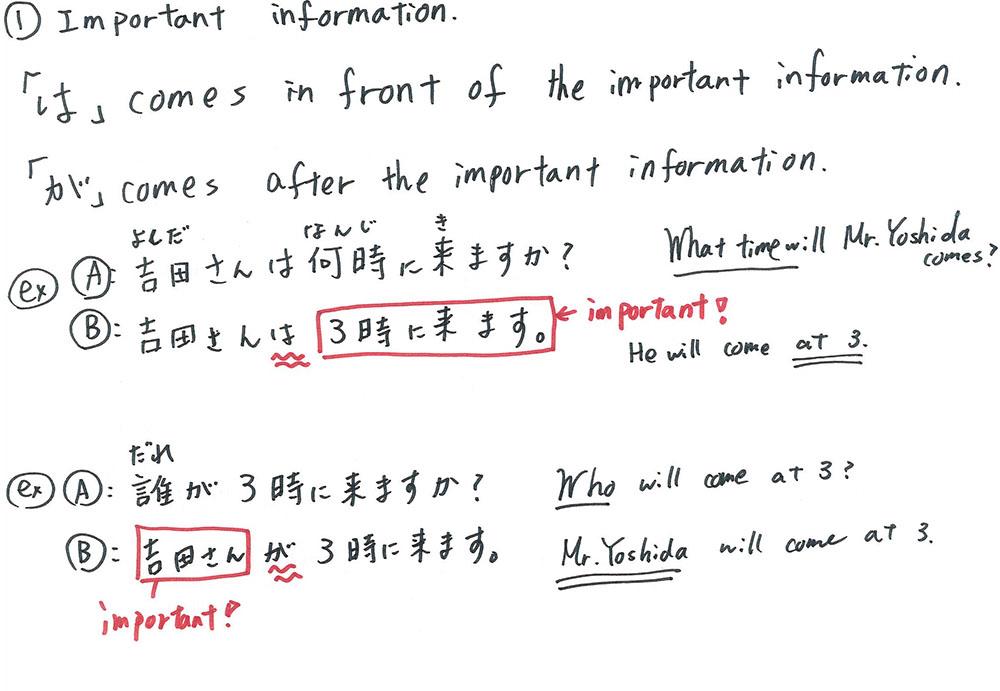
In the first sentence, the writer used 来ます, so it’s obvious he/she is in Japan. “My friend from Thailand” is more important than “Japan.” So the first particle should be が.
9.が;は
→が&が
明日は田中さん(が)郵便局に行きますか、あなた(が)行きますか?
In this sentence, the question is not about where to go. It’s about who is going. In English, it sounds like this: “Will Mr.Tanaka go to the post office tomorrow? Will you?” The important parts are both 田中さん and あなた, so you need to use が.
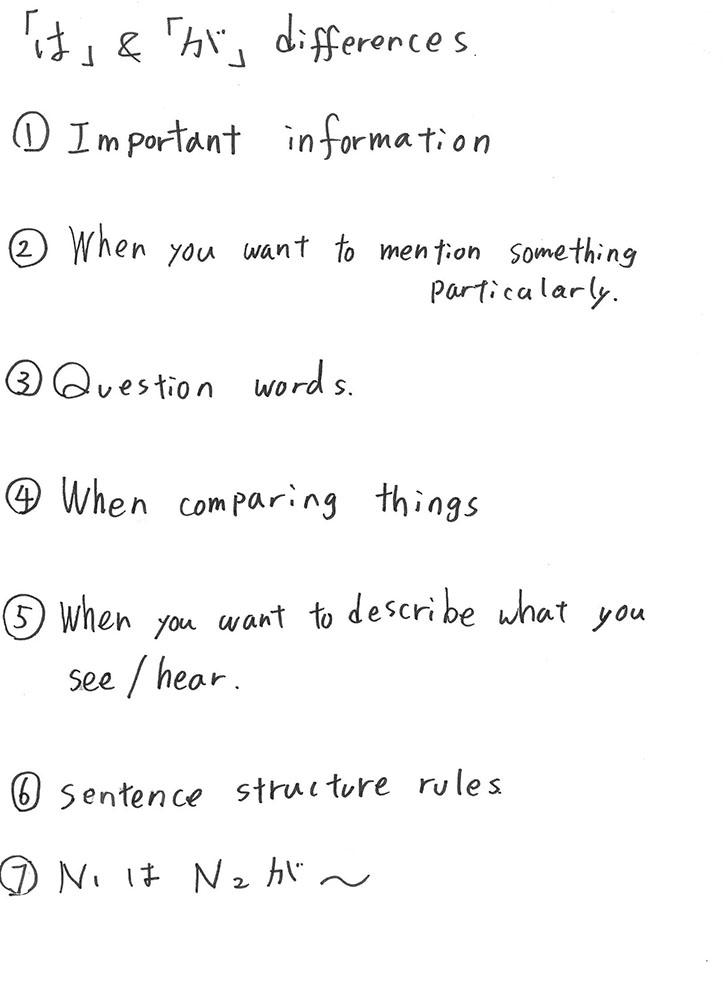
The difference between は and が is very difficult and subtle. Sometimes it’s really hard to understand. If you keep hearing/speaking/writing/reading, you will eventually get it and be able to chose the more natural sounding one.
You did a wonderful job! I will post rest of the は and が rules later. 😊
.