Category Archives: Kanji

今月の文化 2019年8月 怪談話

みなさんこんにちは。
 8月といえば夏休み、そしてお盆ですけど、夏休みもお盆も以前紹介したので、今回は、お盆と少し関係がある事についてお話ししようと思います。

Hello everyone!
August is famous for Obon and summer vacation, but I already talked about both of them. This month I will introduce something related to Obon.

前回ご紹介したように、お盆というのはあの世(other world)に行った霊がこの世(this world)に帰ってくる時期の事です。お盆の時期と言うのは、人々にとってあの世が少し近くなる時期だという事です。それに加えて、8月と言うのは残暑が強くてまだまだ暑いですから、人々は怖い話をして気分だけでも涼しくなろうと考えました。そのような理由から、8月には「怪談話」をする事が夏の風物詩(ふうぶつし)になっていきました。

怪談というのは、幽霊や妖怪など、この世に存在しないものの話をする事です。調べてみると、日本3大怪談や、有名な幽霊話など、本当にたくさんの怪談話が見つかります。

As I talked about in the Obon post, Obon is the period which ghosts come back to this world from the other world, called “anoyo.” Therefore, the Obon season makes people feel that anoyo is closer to them for a short period. In addition, since August is still pretty hot, people believe that telling ghost stories will give them a chill. Ghost stories are called kaidan. For these reasons, holding kaidan telling parties, called kaidan-kai, became a common summer custom in Japan. Kaidan means talking about something which doesn’t exist in this world, such as ghosts, yokai, and the like. If you look up “yurei” or “yokai,” you can find a lot of results including “the 3 greatest kaidan” or “the most famous ghost stories of Japan.”

私も学生の時に、友達と地元の幽霊スポット巡りをしたり、怪談話をしたりしていました。おもしろい気持ちと怖い気持ちと、ゾクゾクする気持ちだったのを思い出します。
みなさんの国でも夏に怖い話をしますか?

When I was a student, I went to many local haunted spots with my friends and participated in kaidan-kai. I was curious about the stories, but at the same time, I was scared and felt a chill. Do people have any customs similar to kaidan-kai in your countries too?

今月の文化 2019年7月 夏休み

みなさんこんにちは。
今年は涼しい日が多くて、梅雨なんですけどまだそんなにジメジメしていないです。今年の梅雨は過ごしやすいなぁと思っています。毎年こんな梅雨だといいんですけど、きっとそうはいかないんでしょうね。
Hello! Right now it is the rainy season, called tsuyu, however this year has not been too bad. I wish every year were more like this, but that’s just wishful thinking.

さて、7月には学生が毎年楽しみにしている行事があります。それは、夏休みです。夏休みが始まるのは、小学生からです。全ての小学校が同じ日に夏休みに入るわけではなく、学校によって違います。大体は、7月の3週目か4週目に始まります。新学期は9月から始まりますので、夏休みは8月末までです。
July is the most popular month for students because of summer vacation! Summer vacation starts in elementary school. The amount of vacation time varies from school to school. Most schools start summer vacation in the 3rd or 4th week of July and end in late August. The new semester starts at the beginning of September.

アメリカでは夏休みは6月から始まっていて、とても長く感じました。みなさんは子供の時に、夏休みにどんなことをしましたか?
In the US, summer vacation usually starts in June, so I felt it was very long. What did you do during summer vacation when you were a kid?

日本では、夏休みになると、毎朝6時くらいから公園や神社で地域の人たちがラジオ体操をします。そこに行くとスタンプやシールがもらえて、たくさん集めると学校で賞がもらえました。私の行っていた小学校にはプールがあったので、毎日無料で泳ぎに行きました。他にも市民プールや市営の温水プールもあったので、友達とそこに行った事もあります。
In Japan, children gather at parks, shrines, or temples at around 6 am and do radio calisthenics. The kids can get stamps or stickers on their activity cards when they do this. If they get many stamps/stickers, they can get a prize from their schools. My elementary school had a pool, so I used to go there everyday for free pool activities. There also were public pools and a public warm water pool in my town, so I went there with my friends.

田舎の子供たちは遊ぶ場所がたくさんあります。私は色々な石や枝や花を集めたり、カブトムシを探しに行ったり、縄跳びの練習をしたり、ブランコを独り占めしたり、自転車で行った事がない所に探検に行ったりしました。
There are lots of activities to do if you are in the countryside. I gathered many shiny stones/branches/flowers from around my house. I went to look for beetles, and practiced jump rope, played on the swings, and explored by bike the parts of my town which I hadn’t yet discovered.

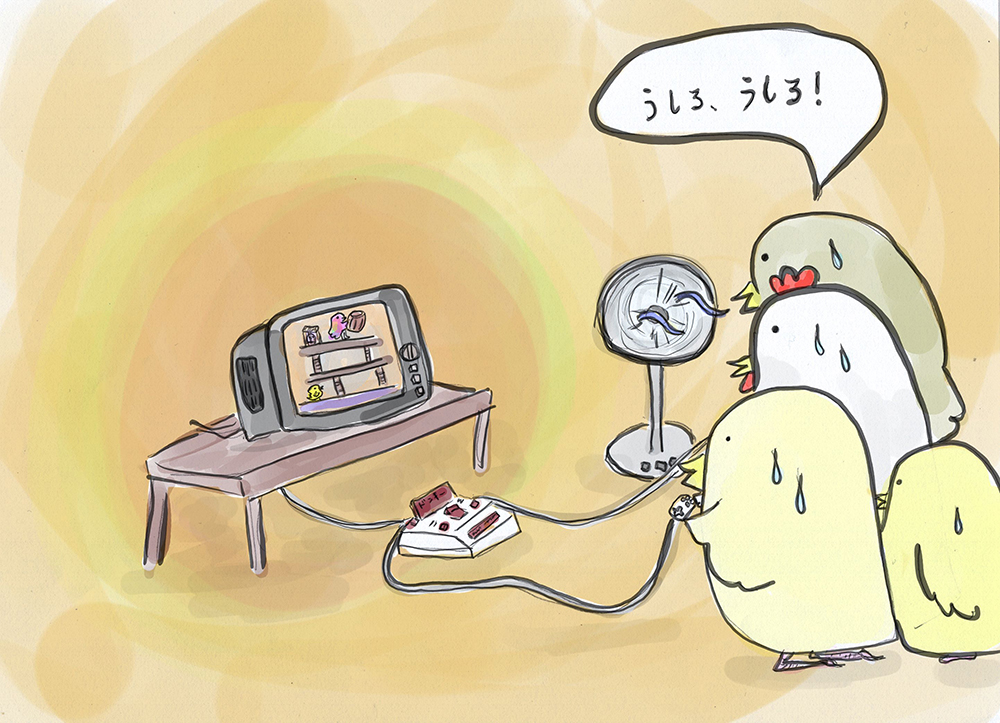
私の家にはファミリーコンピューターがあったので、友達を家に読んで、ドンキーコングやマリオブラザーズなどのゲームをやりました。当時はエアコンがなかったので、扇風機だけで、皆汗をかきながら一つの部屋に集まって、一つの小さなテレビ画面を見ながらゲームをしました。懐かしい思い出です。
I had a game system called “Family Computer” (known as NES in English). So my friends gathered at my house and played Super Mario Brothers and Donkey Kong with me. We didn’t have AC at that time, so we used a fan. A bunch of sweaty kids looking at a TV monitor all together in one room sounds gross, but it’s one of my nostalgic memories.

今思うと、小学校の時の夏休みが一番楽しくて、一番長く感じられたように思います。
夏休みの過ごし方も色々な国によって違うんでしょうね。
Now that I recall, I think that elementary school summer vacation was the longest and the best. I wonder what other countries’ kids do during their summer vacations…

今月の文化 2019年6月 茅の輪くぐり

みなさんこんにちは。

今年の6月は涼しくて、快適でした。日本の色々な県で「梅雨入り」が発表されていますので、もう日本のほとんどは梅雨になっています。

きっと7月くらいから、湿度があがってジメジメとしてくると思います。夏は気温も高いし、湿度も高いし、外出するのが億劫(おっくう)になりますね。

Hello everyone

This year’s June wasn’t too bad. It was cool and comfortable. A lot of prefectures have officially said they have entered the tsuyu season, so most of Japan is experiencing tsuyu now.

The humidity and temperature will go up in July, and that will make us hesitate to go outside.

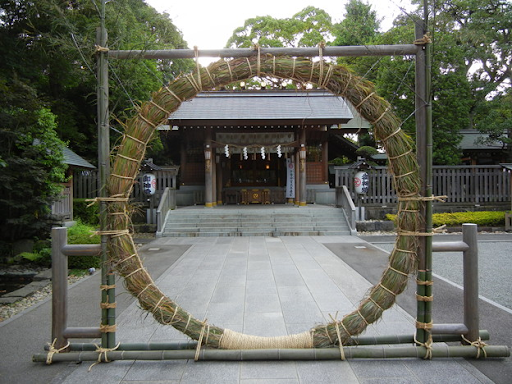
さて、今月は「茅の輪くぐり」という行事を紹介します。茅の輪というのは、茅(ちがや/かや)という植物で大きな輪です。茅の輪くぐりと言うのは、1年に2回(夏の1回だけという所もある)、茅の輪の中をくぐって、無病息災(むびょうそくさい)を願うという行事です。
This month, I will introduce you to a Shinto event: Chinowa kuguri. A chinowa is a big circle made of a kind of reed called chigaya or kaya. Chinowa kuguri means making a chinowa and walking through it to wish for good luck. Some place do this twice a year, and some do it only in the summer.

この行事の由来は、日本の神話にあります。昔、蘇民将来(そみんしょうらい)という人が、素盞鳴尊(すさのおのみこと)に宿を貸してあげたので、そのお礼に、「茅の輪を腰につけていると、疫病を避けることができる」と教えてもらったという話です。その後、蘇民将来は難を逃れることができたという事でした。それから、無病息災(むびょうそくさい)のために、茅の輪を腰につけるという習慣ができましたが、江戸時代くらいから、大きな茅の輪をつくって、人々がその輪の中をくぐるという習慣に変わりました。
The event originates in Japanese mythology. Once upon the time, the god Susanoo-no-mikoto asked Somin-shourai to let him stay at his house for one night. Somin generously let Susanoo use his house. In return, Susanoo told him, “To avoid bad luck, you should tie a small chinowa on your hip.” Somin-shorai did this, and was able to avoid many bad things. People copied the custom and started tying chinowa on their hips, hoping to have a peaceful life. During the Edo Period, the custom changed from wearing a small chinowa to passing though a big chinowa.

茅の輪くぐりは、1年の前半期のけがれをきれいにして、この後の半年も無事に過ごせるようにお祈りをする行事です。夏越の祓(なごしのはらえ)という儀式の中で行います。毎年6月30日に行っています。
Chinowa-kuguri is performed in order to purify yourself from the first half of the year and to wish for a peaceful second half of the year. Chinowa-kuguri is a part of an ceremony called Nagoshi-no-harae, held every June 30th.

輪のくぐり方は神社によって違いますが、基本的には、輪の前で1礼して、左足から輪に入って左に回ってまた正面に行く。次に、1礼して、右足から入って右に回って正面に行く。という風にするので、上から見ると8の字を書くように回るという事になります。
最後にもう一回左に回って、合計3回輪の中をくぐるというところと、2回という所と、1回だけという所があります。
The way you pass through the chinowa depends on the specific shrine. One basic way goes like this: first, you bow in front of the ring and step though starting with your left foot, then pass through and walk back taking the left path. Then you do the same thing with your right foot and take the right path back. If you were to see the ritual from above, it would look like people were making a figure 8 by walking through the chinowa. Some shrines require you to do it 3 times (left-> right -> left) and other shrines require to do it only one time (just left.)

茅の輪をくぐるときに、頭の中で言葉を唱えるそうですが、これも神社によって違うそうなので、自分が行った神社で聞いてみてくださいね。
When going through the chinowa, people often say specific sentences in their head, but what you say also depends on the shrine. Usually, shrines have a written description by the chinowa, so you can follow the instructions.

今月の文化 2019年5月 祝日が変わりました!

令和になって新しい年がスタートしました。今年は、「令和元年」と言います。来年は令和2年です。4月30日までは「平成」でしたが、5月からは「令和」になりましたから、ちょっと混乱しますね。
A new era started on May 1st. This year is called Reiwa Gannen (Gannen means first year.) The next year will be Reiwa 2nen. This year started as Heisei and it lasted until April 30th, so it’s a bit confusing.

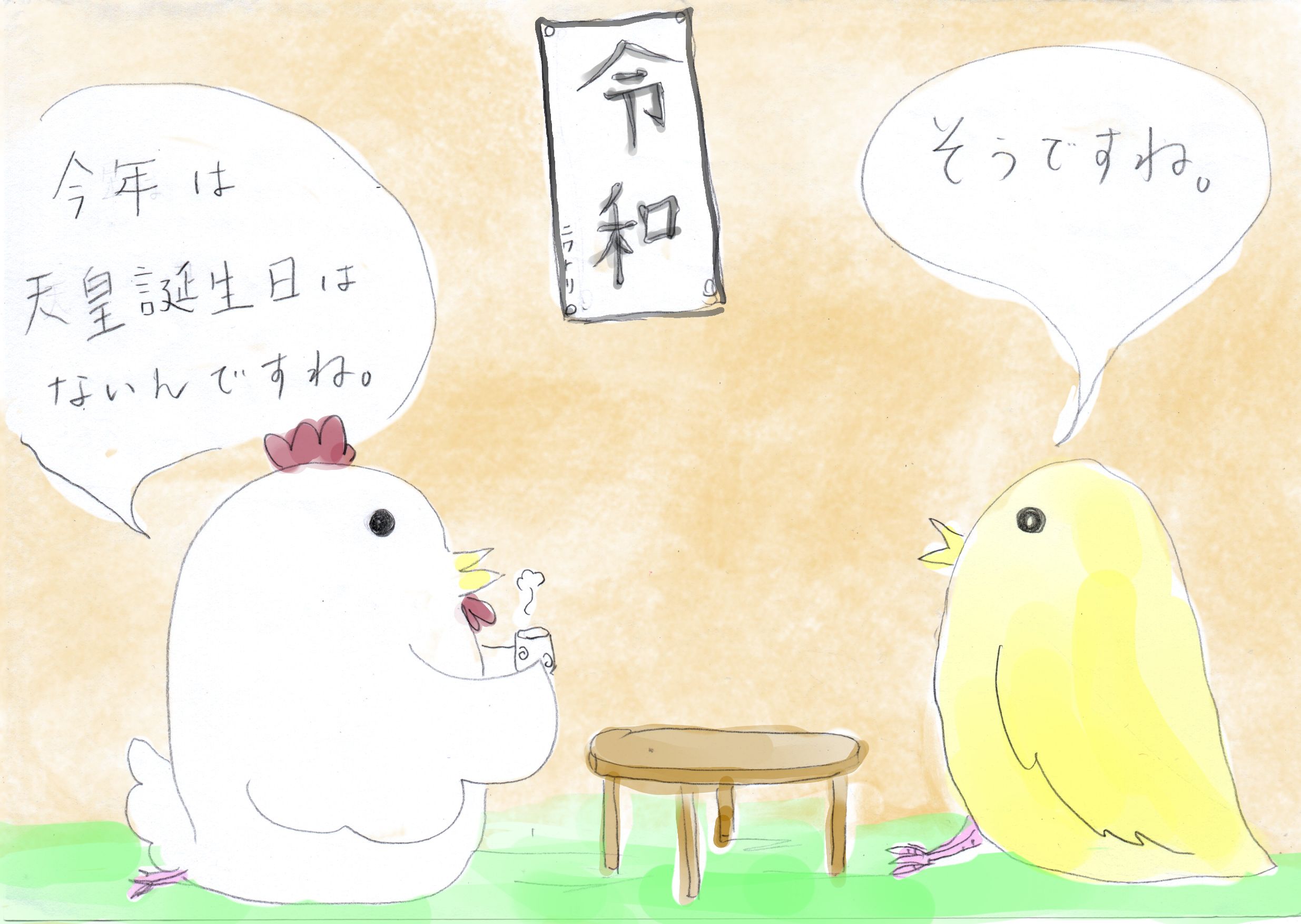
さて、これまで31年間、12月23日は平成の天皇の誕生日だったので、「天皇誕生日」という祝日になっていました。天皇が変わると、この祝日はどうなると思いますか?新しい天皇の誕生日は2月23日ですから、2月23日が新しい祝日になると思いますか?もしそうなると、令和元年は5月からのスタートですから、今年は「天皇誕生日」がない1年になるという事になりますね。
For the past 31 years, December 23rd was a national holiday because it was the emperor’s birthday. What do you think will happen to this holiday this year since we have a new emperor? Do you think the national holiday of the emperor’s birthday will go away? Will the new emperor’s birthday, February 23rd, become a new holiday? If that’s so, since the new era started on May 1st, we won’t get an emperor’s birthday holiday this year.

「天皇誕生日」という祝日は、毎回天皇が変わると違う日になります。これは当たり前ですね。しかし、明治天皇の誕生日と、昭和天皇の誕生日だけは、今でも祝日として残っています。
The emperor’s birthday has changed every time the emperor has changed. However, the Meiji emperor’s birthday and Showa emperor’s birthday are still holidays today.

明治天皇の誕生日は11月3日でした。明治天皇が亡くなってから、この日は祝日ではなくなりましたが、人々が明治天皇が行った偉業を忘れたくないという事でお願いをして、明治天皇が亡くなって15年後の昭和2年(1927年)に「明治節(めいじせつ)」という祝日になりました。この日は昭和22年(1947年)に「文化の日」に名前が変わっています。
The Meiji emperor’s birthday was November 3rd. After he passed away, November 3rd became a non-holiday. People liked the Meiji emperor a lot, so they wanted to continue to celebrate his birthday. 15 years after he passed away, in Showa 2 (1927), his birthday came back as a holiday, and it was called Meiji-setsu. In Showa 22 (1947), the name was changed to Bunka no hi (Culture Day).

昭和天皇の誕生日は4月29日でした。昭和天皇が亡くなった後、この日を平日にしようという話もありましたが、この日が祝日でなくなってしまうと、ゴールデンウィークが短くなってしまって、国民に大きな影響が出るという理由から、「みどりの日」という名前になって祝日であり続けました。昭和天皇が自然が好きだったという理由で「みどりの日」が選ばれたそうです。
The Showa emperor’s birthday was April 29th. After he passed away, people discussed making his birthday a non-holiday. However, April 29th falls in the middle of Golden Week and it would cause a lot of negative feelings to cut the series of holidays. They changed the holiday name to Midori no hi (Greenery Day) because the Showa emperor liked nature, and kept it as a holiday.

この「みどりの日」は、平成19年(2007年)に、「昭和の激動の時代を思い出し、未来に生かす」という理由で、「昭和の日」に変わりました。5月3日は「憲法記念日」で、5月5日は「こどもの日」ですから、どうしても5月4日は「国民の休日」になって祝日になります。そのため、「みどりの日」は5月4日に移動されて、5月3日から5日までは3日連続の祝日という事になりました。
Greenery Day was changed again in Heisei 19 (2007) in order to “remember the terrible years of Showa and to create a better future.” The name was changed to Showa Day. May 3rd is Constitution Memorial Day and May 5th is Children’s Day, so May 4th automatically became a national holiday. Greenery Day was moved to May 4th, so the major part of Golden Week, May 3rd to 5th all became holidays.

平成の天皇誕生日は今年から平日になりましたが、いつかまた、祝日の法律が変わるかもしれませんね。カレンダーを作る会社は大変ですね!
The Heisei emperor’s birthday will become a non-holiday this year, but someday the law might change the holidays might change their dates. Calendar makers have to keep their eye on the changing holidays!

今月の文化 2019年4月 ゴールデンウィーク10連休

 今年の4月30日は平成の最後の日です。5月1日からは新しい天皇に変わるので、年号も「令和」という新しい年号に変わります。平成は31年で終わりという事です。
天皇が亡くなる前に引退して新しい天皇に変わるという事はこれまでなかったので、初めての事だそうです。
April 30th will be the last day of the Heisei Era. We will have a new emperor on May 1st, and the new era is going to be called Reiwa. Heisei will end after 31 years. It is the first time in a long time that the emperor has resigned before passing away, passing the emperorship to a new person.

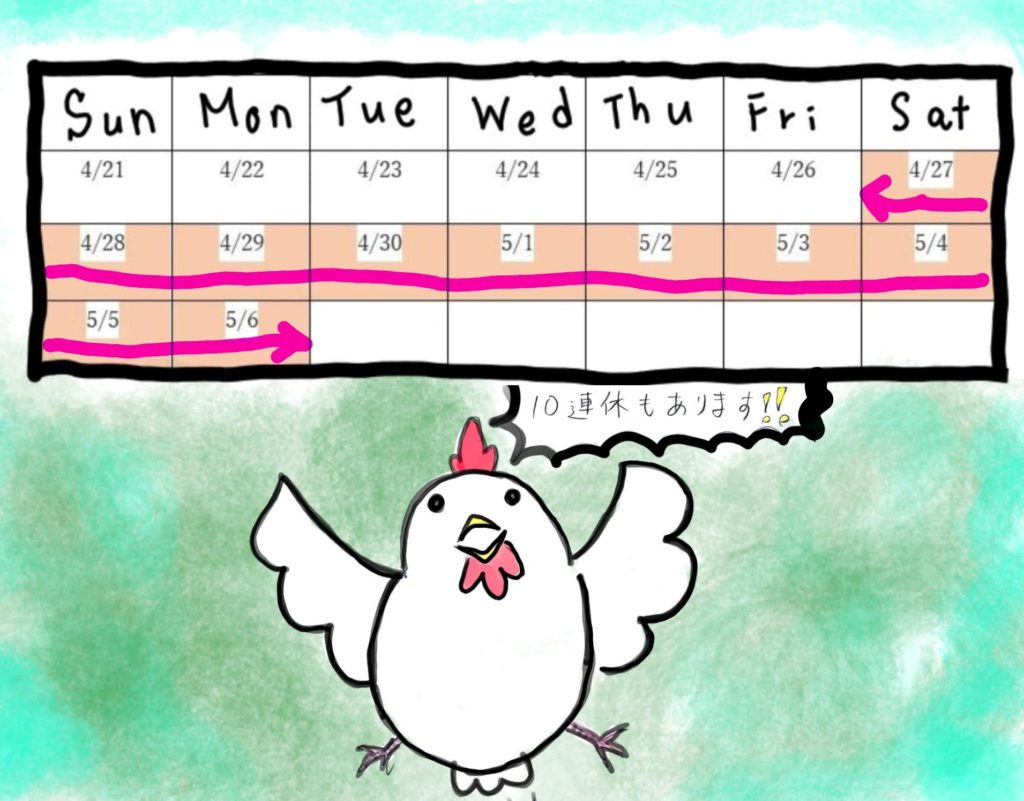
 今年のゴールデンウィークは、この天皇の即位の日のために、10連休になる事で有名です。日本のホテルはたくさんの所で全て満室だそうです。すごいですね。
This year’s Golden Week will be famous for the longest holiday season, thanks to the enthronement ceremony. A lot of hotels in Japan are booked full already by tourists.

 通常は、日本のゴールデンウィークは、「昭和の日」「憲法記念日」「みどりの日」「こどもの日」の4つの祝日で成り立っています。祝日が日曜日になると、月曜日が振替え(ふりかえ)休日になるし、祝日と祝日の間に土曜日と日曜日があれば、1週間くらいの長い連休になります。
Usually, Golden Week contains only 4 holidays: Showa Day, Constitution Day, Greenery Day, and Children’s Day. If a holiday falls on Sunday, the next day (Monday) becomes a substitute holiday. Also, if Saturday and Sunday are in between these holidays, it becomes a week long holiday.

 今年は、新しい天皇が即位する5月1日が今年だけの特別な休日になりました。2018年9月のブログに書きましたが、祝日と祝日の間に1日の平日がある時は、「国民の休日」になって、お休みになります。5月1日の前後は「国民の休日」になるので、長期の連休になるという事です。
 そのため、4月27日(土)、28日(日)、29日(月:昭和の日)30日(火:国民の休日)、5月1日(水:天皇の即位)5月2日(木:国民の休日)、5月3日(金:憲法記念日)、5月4日(土:みどりの日)、5月5日(日:こどもの日)、5月6日(月:振替休日)となって、4月27日から5月6日までの10日間が休日になったのです!
This year, May 1st has become a temporary holiday for the enthronement. I wrote about this in September 2018’s blog post, but if there is only one day between holidays, that day becomes an extra national holiday. This Golden Week’s holidays will fall on 27th (Sat), 28th (Sun), 29th (Showa Day), 30th (National Holiday), May 1st (Enthronement Day), 2nd (National Holiday), 3rd (Constitution Day), 4th (Greenery Day), 5th (Children’s Day), 6th (Substitute Holiday). That’s the reason we have a 10-day long holiday this year!

 日本では新学期は4月に始まりますから、学生にとっては良い休みになりますね。でも、幼い子供がいる家庭や、介護をしている家庭は子供や老人を預ける事が出来なくて大変な思いをすることもあるようです。休みが増えることは良い事ですが、皆が喜んで休みを楽しめるような社会になることが一番ですね。
In Japan, the new semester starts in April, so Golden Week is a good time for students to relax. However, for those families who have young children or elderly parents to take care of, the long holiday can be worrisome because preschools and day care centers may be closed on these days.
It’s good that we get more days off, but the most important thing is to create a good society in which everybody can enjoy his/her holidays.

今月の文化 2019年3月 セント・パトリックス・デー

今年の日本の3月は暖かかったです。去年は2月の中旬に大雪が降って、3月になってもまだたくさんの雪がありましたから、今年は全然違います!毎年こんなに天気が違うとビックリしますね。
It’s been very warm this month. We had a heavy snow in February of 2018, so we had a lot of leftover snow in March of last year as well. The weather difference between last year and this year is significant! I am so surprised.

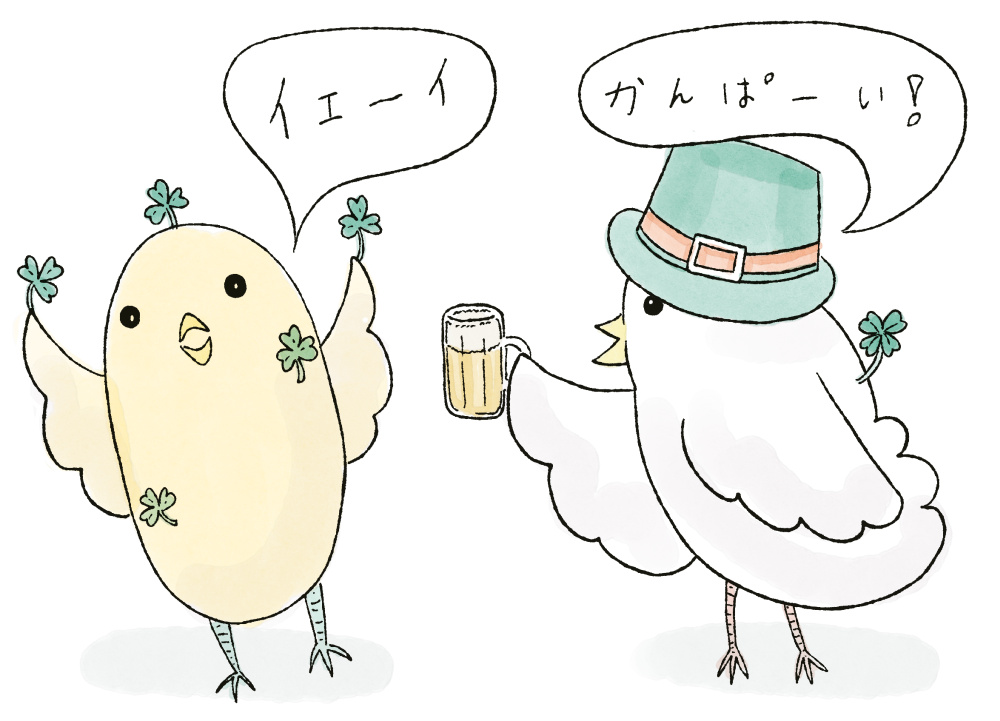
さて、今月は、日本ではちょっと新しいイベントを紹介します。セント・パトリックス・デーです。みなさんの国ではお祝いしているかもしれませんが日本では昔からこのイベントをしているわけではありません。最初に日本でパレードが行われたのは1992年です。それから毎年パレードが行われるようになって、段々と日本の各地で行われるようになっていきました。
This month, I will introduce to you a kind of new event in Japan. It’s St. Patrick’s Day. The event might be celebrated in your country, but in Japan this tradition only began in 1992, so it’s kind of a new tradition. They started holding a parade every year since then, and it has gotten bigger and bigger.

日本でパレードやイベントを行っている県は毎年増えています。アイルランド大使館によると、東京や横浜、名古屋、千葉などで色々なイベントが行われ、九州の福岡や沖縄、北海道や青森でもイベントやパレードが行われているようです。北陸地方では福井県でパレードが行われています。
The number of prefectures which hold St. Patrick’s Day events grows every year. The Embassy of Ireland in Japan lists the locations with St. Patricks Day events, including Tokyo, Yokohama, Nagoya, Chiba, Fukuoka, Okinawa, Hokkaido, Aomori, etc. In the Hokuriku area, only Fukui holds a parade.

まだアイリッシュ音楽を演奏できるグループやパレードに参加できるグループが全国にはいないので、同じグループが色々な県に行って演奏したりしています。そのため、セント・パトリックス・デーが始まる前の週末や終わった後の週末にイベントを開催する県もあります。福井県では毎年、一週間後の週末にパレードが行われていますから、少し変な気持ちですが、意外と本格的で、とても楽しいイベントです。
Even though the event is getting bigger, there are still only a few bands who can perform Irish music. The same groups have to travel from place to place during the holiday, so some areas have to hold the event a week before or after the actual St. Patrick’s Day takes place due to lack of performers. In Fukui Prefecture, they hold a parade a week after the actual holiday every year. It’s a bit of a strange feeling, but the event itself is surprisingly quite authentic and fun.

私はお祭りが好きですから、これからどんどんとこのような色々な国のイベントが行われるようになるといいなと思っています。
I like festivals, so I hope we can import many events from a lot of countries.

今月の文化 2019年2月 (恵方巻)

去年の2月には節分の紹介をしました。そこで、節分では恵方巻という巻きずしを食べますという話をしました。
Last year I introduced Setsubun, and I mentioned that people eat a special type of futomaki (thick sushi roll) called ehomaki.

今回は、その恵方巻について、もう少し詳しく説明をしようと思います。
恵方巻を食べる習慣が始まったのは、江戸時代末期~大正時代という説があります。
節分にその年の恵方を向いて食べると、縁起が良いと伝えられています。恵方というのは、歳徳神(とくとくじん)という神様がいる方角です。歳徳神は福の神様だそうです。恵方は4種類あって、毎年変わりますから、今年の恵方はどこか調べてから恵方巻を食べるといいでしょう。
This year, I will tell you more about ehomaki. The custom of eating ehomaki evolved during the Edo and Taisho Eras. It was said that if you eat ehomaki while you are facing towards eho, you will have good luck. Eho is the direction where Tokutokujin, a god of luck is located. Tokutokujin’s direction changes every year. You need to discover this year’s eho before you eat ehomaki.

恵方巻を食べる習慣は関西から始まったそうですが、どんどんと全国に広がっていきました。大阪歴史博物館という所には、昭和15年に出された広告が展示されているそうです。
It is believed that the ehomaki custom started in the Kansai area first, and expanded outwards gradually. In the Osaka Museum of History, you can see advertisements for ehomaki which were published in Showa 15 (1940).

昔はシンプルな太巻きだったのですが、福を呼ぶ神様で有名なのは七福神です。七福神にちなんで、7種類の具材を入れて太巻きを作るそうです。基本的に入っているのは、卵焼きやきゅうりやシイタケなどです。たくさんの具材が入っているので、とても大きいです。
Ehomaki used to be a simple maki sushi, but nowadays people eat a big futomaki with seven kinds of ingredients. Seven is considered a lucky number because of the famous seven lucky gods, the shichifukujin. The standard ingredients include cooked eggs, cucumbers, shitake mushrooms, and so on. Due to the number of ingredients, ehomaki became very big.

最近、コンビニやスーパーなどで、大量の恵方巻が2月4日に捨てられるというニュースがありました。本当にたくさんの売れ残った恵方巻が捨てられているという事がわかって、人々はショックを受けました。
今年は、予約の数だけ作るようにしたりして、売れ残りの恵方巻を作らないように色々な会社が努力をしたそうです。
お金があれば色々な事ができる世の中になりましたが、大事なのは「もったいない」の心だと思います。使えるものは最後まで使い、食べ物を捨てないようにしないといけませんね。

Recently, I read some sad news about ehomaki. A lot of unsold ehomaki have to be thrown away on February 4th. When people saw the pictures of the discarded ehomaki, they were shocked at the waste. Due to the news, many supermarkets and sushi stores now only make ehomaki for people who ordered in advance to reduce the amount of wasted food.

Everything has become convenient these days, so we can get many things with just a little money. I think an important word to know is mottainai, it means “try not to waste things.” We should use things until they breaks, and people should try to reduce the amount of wasted, uneaten food.

今月の文化 2019年1月 お年玉

みなさんこんにちは。

1月になったので段々寒くなってきましたね。
日本では、今回のお正月が平成の最後のお正月になるので、たくさんのお店やテレビの番組では「平成最後!」という言葉をたくさん使っていました。
いつもと同じお正月ですが、何かが最後になるということは何か特別な事のように感じますね。
Hello everyone.
It’s January and it’s getting colder and colder. Since this year is the last year of the Heisei Era, I’ve seen a lot of “last chance in Heisei” ads at stores and on TV. This year is the same as every other year, but it makes it sound special when you hear “this is the last chance for ___!”

さて、お正月には色々な週間があります。食べ物や飾る物、作る物、色々とお正月ならではの特別なものがありますが、今回はお年玉について紹介しようと思います。
On the New Year’s Day, there are a lot of Japanese customs dealing with what to eat, make, and decorate. This time, I will introduce you one New Year’s Day custom: otoshidama.

現代のお年玉は、お正月の日 (1月1日) に大人から子供にお金を渡すことです。お年玉袋という袋に年齢によってお金を入れて渡します。お正月には親戚の家に挨拶に行ったり、遠方の親戚が遊びに来たりするのでたくさんの大人と子供が集まります。子供にとってはたくさんのお金がもらえるチャンス!ですが、大人にとっては大きな出費になることもあります。
In the modern era, otoshidama are presents of money given by adults to young children on January 1st. Adults put some money in a special envelope called an otoshidama bukuro. The amount varies depending on the recipient’s age. On New Year’s Day, families who live far away come back to their hometowns, so a lot of adults and children gather together in one place. For children, New Year’s Day is a big chance to get money, but for adults it can be a huge expense.

昔のお年玉はお金ではなくてお餅を配っていました。これは鏡餅というお餅で、今でもそのお餅を年末からお正月に飾る習慣があります。この鏡餅は、1月1日に歳神 (としがみ) 様という神様をお迎えするために準備するお供え物ものです。丸い餅を2つ重ねて置きます。この餅を1月1日に家長が家族に分けることをお年玉と言いました。
In the past, people gave mochi instead of money. This mochi is called kagami mochi. People still decorate their houses with kagami mochi over the holiday. Kagami mochi is a gift for toshigami-sama, the god who comes on New Year’s Day. Kagamimochi is a pair of round mochi stacked one on top of the other. On the New Year’s Day, the head of the house would distribute kagamimochi to the household members. That is the origin of otoshidama.

お餅を分ける習慣がお金に変わったのは江戸時代くらいだそうです。今でも鏡餅を置きますが、家族に分けるのではなく皆で食べるようになりました。
The mochi-distributing custom changed to money during the Edo Period. People still make kagamimochi, but nowadays they eat it with family members on New Year’s Day.

お年玉の金額は「年齢による」と言いましたが、子供の年齢が上がると、お年玉の金額が上がります。一般的な金額は以下のとおりです。
As I said earlier, the money in each otoshidama varies depending on the recipient’s age. In general, the price range is like this:

3~6歳  :500円~1000円

7~10歳 :1000円~2000円

10~12歳:3000円

13~15歳:5000円

16~18歳:5000円~10,000円

お年玉をもらう年齢は、高校を卒業する18歳までという家庭もありますし、大学生になってもあげるという家庭もあるそうです。
Some families stop giving otoshidama when their children graduate high school, but some families keep giving otoshidama even to college students.

お年玉に使うお金は、皺(しわ)がないきれいなお札(さつ)を使います。小さなお年玉袋を使うときは、人の顔が書いてある面が表ですから、その部分を内側にしてお札を折って袋の中に入れます。そうすると、もらった人が開いた時に表が見えるという事です。
For otoshidama, you need to use crisp, unwrinkled paper money. The side of the money with a person’s portrait is the front. Therefore, if you have to fold the money to put it into a small envelope, you should made sure the person’s face is folded on the inside, so when the recipient unfolds the bill, they see the face.

4という数字は悪い数字だと考えられていますから、お年玉の金額は4という数字が入らないように注意しなくてはいけません。
Number 4 is considered an unlucky number, so you should not give sums of money that include the number 4.

今月の文化 2018年11月 平等院の紅葉

みなさん こんにちは。
Hello everyone.

11月になったので、少し寒くなってきましたね。北海道ではもう雪が降ったそうです。アメリカでも吹雪になったところがあったようです。天気が変なので予測することが難しいですね。
It’s November, so it has become a bit chilly. It’s already snowing in Hokkaido. There was even a snowstorm in America. The weather is strange, so it’s hard to predict.

 さて、雪の前に私が毎年楽しみにしているのは紅葉です。秋になるとたくさんの山や森で紅葉を見ることができます。紅葉の有名な所は主に渓谷(けいこく)やお寺、神社などが多いようです。私は去年、京都にある平等院というお寺の庭の紅葉を見に行きました。平等院では、紅葉の季節に3週間くらい夜にライトアップをして観光客が夜の紅葉を楽しめるようにしています。
Anyway, every year before the snow I look forward to the fall foliage. You can see fall foliage on many mountains and forests. Famous spots for fall foliage are valleys, temples, shrines, and so on. Last year I went to the gardens of Kyoto’s Byodo-in Temple to see the foliage. For three weeks during the foliage season, Byodo-in lights up the trees at night so tourists can enjoy the fall colors.
 日中の明るいうちにみる紅葉を見るのも好きですが、夜にライトアップされた秋の庭園を見るのもとても良い経験でした。
I enjoy seeing the fall colors while the days are still bright, but seeing a fall garden lit up at night is a very nice experience too.
 人がたくさんいたので、ゆっくりと鑑賞することは難しかったですが、たくさん写真をとって、素敵な思い出が作れました。
There were many people there, so it was difficult to get a good impression at the time. However I took many photos and made some nice memories.

今月の文化 2018年10月 国体

今月の文化 2018年10月

みなさん こんにちは。

今月は福井県で国体がありました。みなさんは国体を知っていますか?私は国体にあまり興味がなかったので、毎年の国体の情報を気にしたことがなかったのですが、今年は福井県で行われたので、福井県内では大きなニュースになりました。
This month, Kokutai was held in Fukui. Have you heard of Kokutai? I was never really interested in sports festivals, so I didn’t care about it before. Since Kokutai was held in Fukui this year, it was big local news.

 国体というのは国民体育大会を省略した名前です。これは戦後に国民を元気にするために昭和21年(1946年)第一回の大会が行われました。昭和23年(1948年)には、47都道府県が対抗してスポーツを行う方式になり、男子の総合優勝県に天皇杯、女子の総合優勝県に皇后杯が与えられることになりました。小さなオリンピックのようなものですね。国体は9月の中旬(ちゅうじゅん)から10月の中旬に4日間行われます。
Kokutai is abbreviation of Kokumin taiiku taikai (Citizens’ Sports Competition). It was started in 1946 to cheer people up after the war. In 1948, it became a contest between all the prefectures. They award the Tennou hai (the emperor cup) to the best male athletes’ prefecture and Kougou hai (the empress cup) for the best female athletes’ prefecture. These are like small versions of the Olympic trophies. Kokutai is held for 4 days between the middle of September and the middle of October.

 行われる種目もオリンピックの競技と似ていて、バスケットボールやバレーボール、カヌーや陸上競技(りくじょうきょうぎ)などが行われます。冬には北の方の県で冬季大会も行われています。
The list of events is similar to the Olympics, with basketball, volleyball, canoeing, and track and field. Winter events are held during the winter in the northern part of Japan.

 オリンピックと言えば、その後にパラリンピックも行われます。国体にもパラリンピックに似た大会があります。「全国障害者(しょうがいしゃ)スポーツ大会」と言って、「障スポ」と略されることが多いです。これは2001年から始まって、毎年国体と同じような時期に行われています。この大会の冬競技は今の所開催されていません。
Since Kokutai is similar to the Olympics, Kokutai also has an event like the Paralympics. It is called Zenkoku shougaisha supootsu taikai. Its abbreviation is “Shou supo.” This event was started in 2001 and it’s held in the same place as Kokutai every year.

 国体は毎年違う県で開催されます。日本の県を3つの地区(東・西・中)毎年違う地区で開催されます。東地区には北海道、東北、関東が入っています。西地区には中国、四国、九州が入っています。中地区には北信越(ほくしんえつ)、東海、近畿が入っています。福井は北信越の中にありますから、中地区です。来年は茨城県ですから、関東なので東地区です。その次の年は鹿児島県ですから九州の西地区です。このように、毎年違う地区で開催されています。
Kokutai is held in a different prefecture every year. Japan is divided into 3 areas: East, West, and Middle. Each area takes a turn. The East includes Hokkaido, Tohoku, Kanto. The West includes Chugoku, Shikoku, and Kyushu. The middle are includes Hokushinetsu, Tokai, and Kinki. Fukui is in Hokushinetsu (middle area). Next year Kokutai will be held in Ibaraki Prefecture, which is in the East area. The following year will be Kagoshima, in Kyushu area.

 福井県で国体が開催されたのはこれまで2回あります。1968年と2018年です。私の父は50年前の国体の様子を覚えていて、「あの時は選手はみんな料理屋さんなどの二階に宿泊して、地域の人々総出で応援したものだ」と言っていました。今の時代には考えられない事ですね。
The last time Kokutai was held in Fukui was 1968. My father still remembers those days 50 years ago. He said, “During Kokutai, the athletes stayed in the second floors of restaurants or in neighbors’ houses. The residents cheered and helped them so much.” It sounds totally different from nowadays.